How to Choose Travel Scuba Gear 2026 | Public Safety Diver’s Tips | Scuba Space

Written by our lead diver at Scuba Space, a PADI Master Scuba Diver and Law Enforcement Public Safety Diver with 12+ years of professional underwater operations experience.
Let’s talk about travel scuba gear. You’ve got questions. We’ve got answers.
You’re a globetrotter with a passion for the underwater world, and you want to pack your own scuba gear. But you’re overwhelmed by all the options and worried about weight limits.
Don’t worry. This ultimate buyer’s guide will break down what you need to know and make you confident in your purchase.
So, let’s not waste anymore time and get into it!
If you’re not certified yet, be sure to check out our guide on the different types of certs out there:
What To Look For As A Traveler
Before you get lost in a sea of shiny gadgets and cool features, let’s get our priorities straight. As a traveler, the absolute most important things should be weight, packability, and durability.
Weight is paramount. Every gram counts when you’re flying. The goal is to maximize your gear’s performance while minimizing its weight so you can avoid those dreaded baggage fees.
Packability is key. Your gear needs to fit neatly into a travel bag. Look for items that are compact, foldable, or modular, making them easy to pack without taking up too much space.
Durability is essential. Travel can be tough on equipment. You want gear that can handle being tossed around by baggage handlers and still be reliable when you need it. Look for durable, well-reviewed gear from established brands. Last thing you need is something breaking while you’re halfway across the world.
Buoyancy Control Device
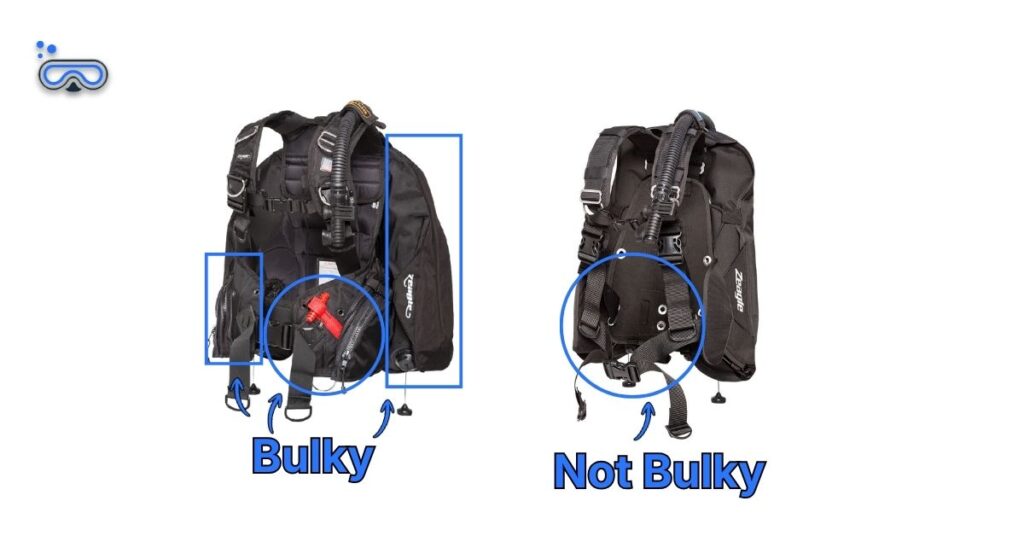
The biggest hurdle for any traveling diver is the BCD. It’ i’s usually the bulkiest and heaviest item in your bag. When buying specifically for travel, you aren’t just looking for comfort in the water, you’re looking for a piece of gear that doesn’t eat up your entire 50 lb checked bag limit.
Body Design: While jacket-style BCDs are the standard for beginners, they’re often a nightmare to pack because of the rigid internal foam and thick padding. For travel, look at back-inflate or backplate and wing systems. These designs can be folded flat or even roll up into a tight cylinder. Some dedicated travel BCDs even feature a folding or soft backplate instead of a rigid plastic one.
Lift Capacity: Since travel diving usually means warm water and thin 3mm wetsuits, you don’t need a massive amount of lift to stay buoyant. A BCD with 25 – 30 lbs of lift is more than enough for tropical destinations. Choosing a lower lift capacity usually means a smaller air bladder, which results in a much smaller footprint when tucked away in your gear bag.
Weight Integration vs. Trim Pockets: Integrated weight pockets are convenient, but the heavy-duty plastic handles and internal reinforcements add significant dry weight to the BCD itself. If you are a minimalist traveler, consider a BCD with simple trim pockets or even using a classic rental weight belt at your destination.
Material & Dry Time: This is the secret travel spec that many people overlook. Traditional heavy-duty fabric like 1000-denier Cordura is bombproof, but it absorbs a lot of water and takes a long time to dry. If you dive on the last day of your trip, that fabric stays wet and heavy in your bag. Look for quick-dry materials like Monprene or high-tech urethanes. These materials don’t soak up water. You can literally wipe them dry with a towel and pack them immediately.
Hardware: Finally, pay attention to the D-rings. Metal D-rings are great for durability, but a BCD with six large stainless steel rings adds a surprising amount of weight. High-grade plastic or smaller alloy rings are the better choice for a traveler. They provide plenty of strength for your accessories without the unnecessary bulk.
Drying time is the most under-rated aspect of this. I was absolutely blown away by how fast my SCUBAPRO Hyrdros Pro dried during my Fiji trip. Monprene really is magic. Unfortunately, my wetsuit wasn’t able to keep up and I ended up having to pack a soggy suit for the flight home.
Editor’s Note
We’ve put together a list of some of our favorite travel BCDs here:
Regulator
Your regulator is the most high-precision piece of equipment you own, and for a traveler, it’s usually the one item you should carry in your hand luggage rather than checking it. When selecting a regulator for travel, your focus should shift from raw power to weight and hose flexibility.
1st Stage Weight and Material: Traditional first stages are made of chrome-plated brass, which is incredibly durable but heavy. If you’re looking to shave off significant weight, look for first stages made of titanium or lightweight alloys. They’re more expensive, but they can be nearly 40% lighter. Also, “compact” first stages are designed specifically for travel. Look out for them too.
Hoses and Packability: One of the biggest annoyances when packing a regulator is the stiffness of standard rubber hoses. For a travel-specific setup, think about switching to braided or Miflex hoses. These are significantly lighter, more durable, and (most importantly) much more flexible. They let you to coil your regulator into a much smaller, tighter circle without putting stress on the connection points.
2nd Stage Comfort and Bulk: In the tropics, you don’t need a massive, heavy second stage designed for freezing water. A travel-friendly second stage should be made of lightweight technopolymers. This reduces jaw fatigue during long dives and keeps the overall profile slim. Look for models that are marketed as “carbon” or “lightweight” to make sure you aren’t carrying unnecessary bulk.
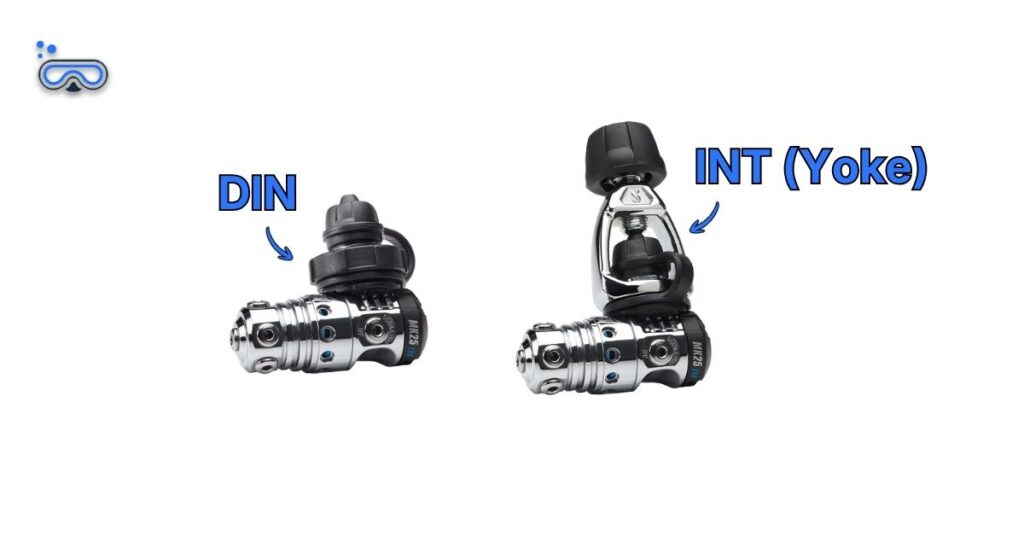
Global Connection (DIN vs. Yoke): This is the most critical travel decision. While Yoke (INT) is common in the US and the Caribbean, DIN is the standard in Europe and much of the rest of the world. A DIN regulator is technically superior because the O-ring is captured inside the regulator, making it more secure and slightly more compact.
Environmental Sealing: Even if you only plan on diving in warm, tropical water, an environmentally sealed first stage is a massive benefit for travelers. It prevents salt, sand, and silt from entering the internal mechanism. This is vital when you are diving in remote locations where professional gear servicing might not be available.
If you’re planning to be a regular traveler, you should strongly consider buying a DIN regulator and carrying a Yoke adapter. This ensures you can screw your regulator into any tank on any boat, anywhere in the world.
Editor’s Note
Check out some of the regulators we recommend for travel:
Dive Computer
Your dive computer is your most personal piece of safety gear. Having your own that you’re comfortable with is a huge boost to confidence. When choosing one for travel, think about screen readability in the sun and how easily it syncs with your digital logbook.
Screen Technology and Sunlight: Traveling often means diving in crystal clear, shallow water under a bright tropical sun. This is where screen type matters. Traditional segmented displays (that look like old digital watches) are actually the easiest to read in direct, blinding sunlight. High-end color screens (OLED or LCD) look amazing, but they can occasionally be washed out by the sun at the surface. If you go for a color screen, make sure it has adjustable brightness so you aren’t squinting during your safety stop.
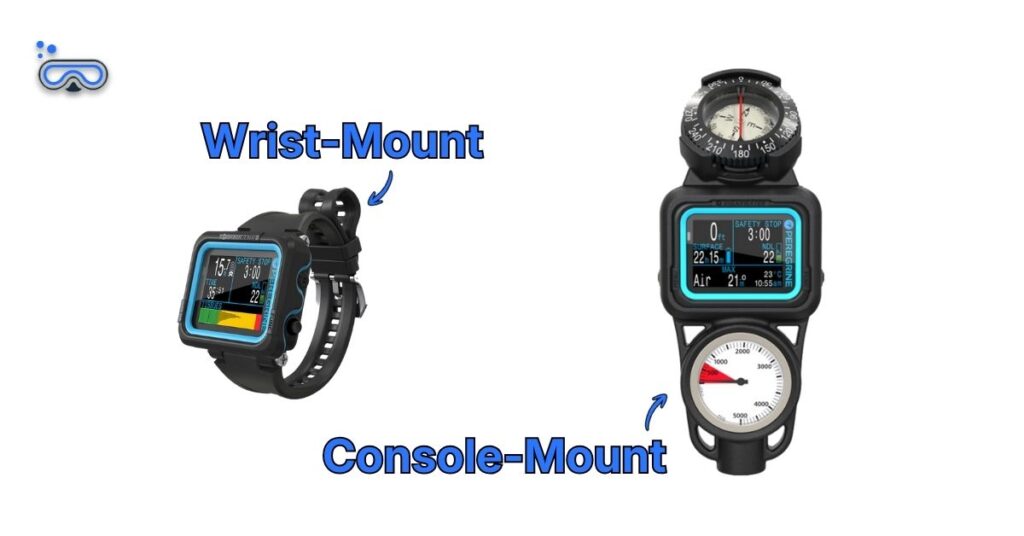
Form Factor (Watch vs. Console): For the jetsetter, a wrist-mounted computer is the gold standard. Some are even small enough to wear as a regular watch during your flights, ensuring it never gets lost in checked luggage. Wrist units also won’t add extra weight and bulk to your regulator set.
Battery Strategy for Remote Trips: If you are headed to a remote island or a liveaboard, you have to keep in mind your power source. Rechargeable computers are convenient, but if you forget your proprietary charging cable, you’re stuck with a paperweight for the rest of the trip. If you aren’t great at remembering cables, a computer with a user-replaceable battery is a safer bet.
Bluetooth and Digital Logging: One of the best parts of travel diving is keeping track of your adventures. Look for a computer with Bluetooth integration. This lets you to sync your dives to your smartphone immediately after getting back on the boat. It’s a lifesaver for travelers who don’t want to carry a physical paper logbook or a laptop to download dive data.
Air Integration for Weight Savings: While it’s an investment, a wireless air-integrated computer lets you to remove the heavy high-pressure hose and analog gauge from your regulator set. This might only save a pound or two, but when you are fighting to stay under a strict airline weight limit, every ounce counts.
For ultra-minimalists and Apple users, you might want to look into the Apple Watch Ultra series with the Oceanic+ app. It does well enough for your general vacation dive. Well enough that we even have a diver on the dive team that uses it as his main dive computer.
Editor’s Note
This guide goes over some of our recommended dive computers for travel:
Mask
Your mask is your window to the reef, but for a traveler, it’s also the most fragile item in your bag. While fit is still the most important factor, a traveling diver needs to consider how much space the mask takes up in its case and how well it handles being compressed in a crowded suitcase.
Framed vs. Frameless for Packing: This is the biggest decision for a traveler. Frameless masks are the gold standard. Because they don’t have a rigid plastic frame, they can fold almost completely flat. This makes them significantly easier to slide into a side pocket of a bag or a padded regulator case. They also make the perfect backup mask because you can tuck one into a BCD pocket without it feeling like you’re carrying a brick.
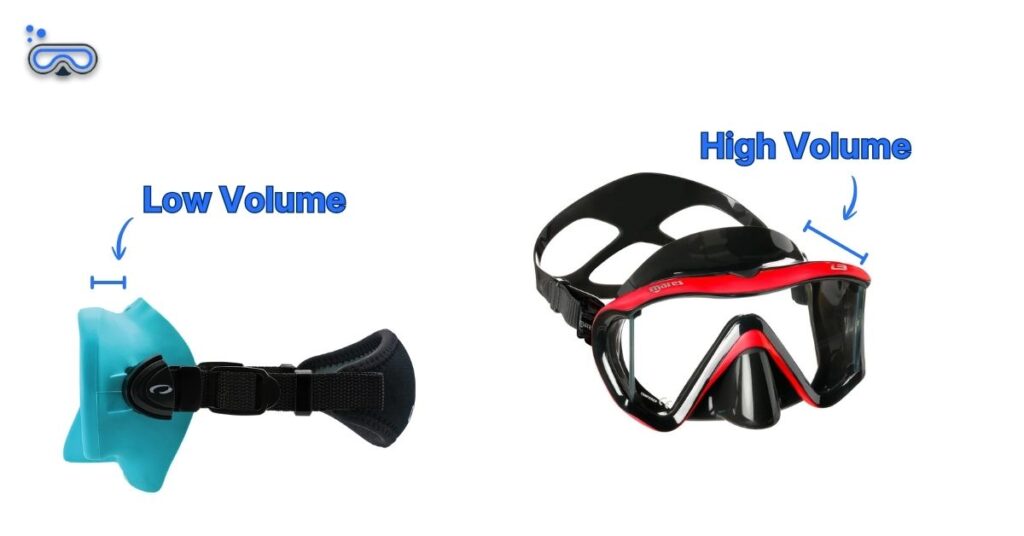
Low-Volume Advantages: While low-volume masks are easier to clear and equalize (great for beginners), they are a double-win for travelers. A lower volume means the mask sits closer to your face and has a lower profile. In your luggage, this translates to a smaller footprint and less dead space inside the mask that can be crushed or cracked by heavy gear shifting during a flight.
Protection and Cases: Travelers face a constant battle with luggage space, which usually leads them to ditching the bulky plastic box the mask came in. If you want to save space, look for masks that come with soft-shell zippered cases. These provide enough protection to prevent scratches and frame snaps but take up half the room of a traditional hard plastic box.
Lens Protection: When traveling, your mask is at high risk for scratches from other gear. A travel tip is to keep your mask in a neoprene mask bag or even a clean thick sock. This prevents your other equipment from scratching or damaging your mask.
Prescription Options for Travelers: If you need a prescription, a dual-lens mask is essential so you can swap in corrective lenses. As a traveler, having your own prescription mask is a game-changer. Relying on a dive resort to have a rental with your specific eyesight requirements is not going to happen.
Even if you prefer to have a framed mask, having a frameless one as a backup isn’t a bad idea. Just stuff it away in your pocket and hope you don’t need it during your vacation. But if you do, you’ll be glad you brought it. Nothing is worse than a leaky rental mask ruining the dive.
Editor’s Note
Here is a list of recommended masks for travel:
Fins
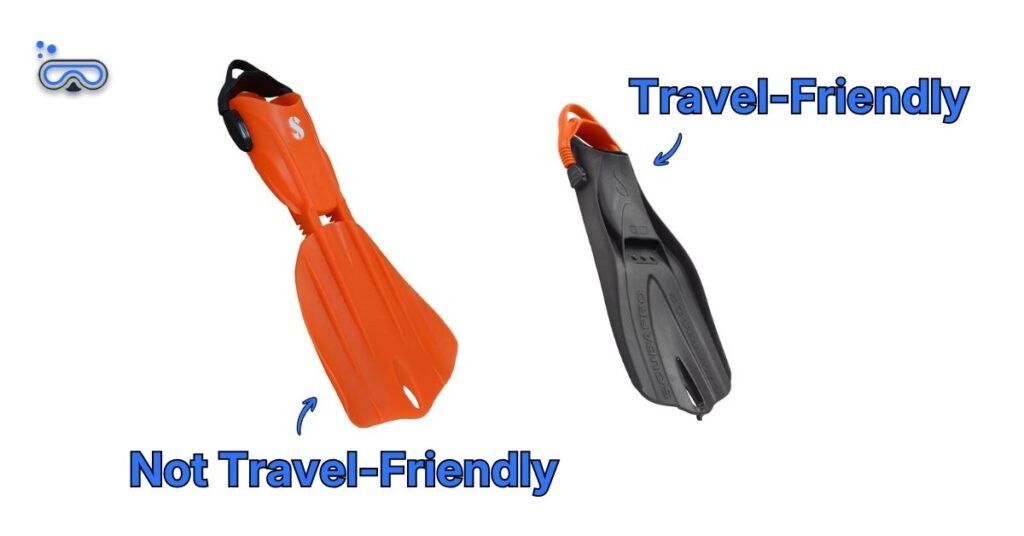
Fins are the most awkward items to pack. They’re long, rigid, and often deceptively heavy. When buying for travel, your goal is to find the sweet spot between enough power to fight a current and a size that actually fits inside a standard suitcase.
Length and Suitcase Compatibility: This is the most important spec for a traveler. Standard fins usually measure 26 to 30 inches. This won’t fit in most medium checked bags without being forced in diagonally. Look for Travel-Ready fins. They’re usually under 24 inches. You can lay them flat in your luggage, leaving more room for your BCD and wetsuit.
The Weight Factor: Professional-grade fins are regularly made of heavy rubber or dense polymers. These can weigh up to 6 or 7 pounds for the pair. This is a massive chunk of your airline weight limit. For travel, look for fins made of lightweight Monprene or composite materials. Modern travel fins can weigh as little as 2 to 3 pounds for the pair.
Blade Style for Different Destinatons: You’ll need to consider the type of diving you’ll be doing. If you’re going on a liveaboard with strong currents, you need a stiffer blade with high thrust. If you’re just doing casual reef diving, a shorter, softer blade is much easier to pack.
Open-Heel vs. Closed-Heel: Most travelers prefer open-heel fins with bungee straps because they are used with boots. However, if you only dive from boats in warm water, closed-heel (full-foot) fins are significantly lighter and shorter because they don’t have the heavy buckle systems and thick foot pockets.
The Bungee Strap Advantage: For travelers, bungee or spring straps are non-negotiable. Traditional plastic buckles are prone to snapping when baggage handlers toss your gear bag around. Bungee straps are virtually indestructible, and they make it much easier to gear up on a rocking boat or in a surging surf zone.
If your fins are just an inch too long for your bag, don’t bend them. This can create a permanent set in the blade that ruins your efficiency. Instead, try nesting them together and placing them along the interior walls of your suitcase to provide a protective frame for your more fragile gear like your mask and regulator.
Editor’s Note
Here’s our recommendations of fins for travel:
General Purchasing Tips
Think of buying gear as part of the fun of diving! Don’t rush it and remember these tips.
Try Before You Buy: Many local dive shops have a pool where you can test out equipment. This is the best way to make sure everything fits and feels right before you commit.
Buy from a Reputable Dive Shop: These shops have knowledgeable staff who can help you with sizing and gear selection. They can also offer maintenance and repair services.Consider
Online Retailers: Don’t be afraid to look online either. Reputable stores offer competitive prices and often have great return policies and “fit guarantees.” Just make sure to read the fine print.
Don’t Forget Accessories: Accessories like gear bags, defog spray for your mask, and a surface marker buoy are just as important as the big-ticket items.
Wrapping Up
There you have it! Some tips to help you pick out travel scuba gear.
Now that you’re armed with this guide, you can confidently strut into a dive shop or browse online knowing exactly what you’re looking for.
Remember, your gear is an investment in your comfort and safety, and getting it right means you can focus on the important stuff like spotting that majestic sea turtle or just drifting in blissful silence.
So, what are you waiting for? Snag your favorite gear and get ready to dive in style!
If you need a refresher on what each piece of equipment does, check this link here:
Don’t forget about your wetsuit either. Learn more about them here:
About the Author
This guide was curated by the Scuba Space lead diver, a Law Enforcement Public Safety Diver and PADI Master Scuba Diver. With 12+ years of professional experience in search, recovery, and rescue, he helps us prioritize gear that balances recreational comfort with professional-grade reliability.
Enjoyed the article? Share it with your fellow divers!